

Abstract
The Middle East war—centered primarily on the Gaza conflict—has evolved into one of the most devastating humanitarian crises of the 21st century. Between late 2023 and early 2026, the conflict has produced massive civilian casualties, widespread displacement, famine risks, and geopolitical polarization. This academic blog (≈1500 words) analyzes the latest 2025–2026 statistics, humanitarian indicators, and strategic dynamics shaping the conflict. Drawing on UN agencies, peer-reviewed research, and verified reporting, the analysis highlights the scale of destruction in Gaza, the regional security implications, and the uncertain trajectory of peace efforts.
1. Introduction
The contemporary Middle East conflict entered a new and intense phase after the October 2023 attacks by Hamas and the subsequent Israeli military campaign in Gaza. What initially appeared as a localized war has expanded into a prolonged regional crisis involving humanitarian collapse, diplomatic fractures, and global political contestation.
By 2025–2026, the conflict is no longer merely a military confrontation; it has become a multidimensional crisis involving food insecurity, infrastructure destruction, media casualties, and long-term demographic impacts. International organizations increasingly warn that the situation in Gaza represents an unprecedented humanitarian emergency in modern Middle Eastern history.
This blog provides an updated academic overview using the most recent available data.
2. Scale of Human Casualties (Latest 2026 Estimates)
2.1 Overall Death Toll
Recent estimates indicate the magnitude of the war’s human cost:
- As of February 2026, at least 75,000+ people have been killed in the Gaza war.
- Of these, over 73,000 are Palestinians and about 2,000 Israelis.
- Some independent analyses suggest over 72,000 deaths confirmed by Gaza health authorities.
- Peer-reviewed research indicates the true toll may be significantly undercounted, possibly exceeding official figures by tens of thousands.
Scholarly assessments consistently suggest that a very high proportion of the dead are civilians, with some estimates around 80% of Palestinian fatalities.
2.2 Injuries and Long-Term Health Impact
- More than 171,000 Palestinians have been injured during the war.
- Many injuries involve permanent disability, amputations, and untreated trauma due to the collapse of Gaza’s healthcare system.
The long-term public health burden is expected to persist for decades, particularly among children.
3. The War on Journalists and Information Control
One of the most alarming features of the 2025–2026 period is the unprecedented death toll among media workers.
Israel responsible for two-thirds of record 129 press killings in 2025, says CPJ
Journalists slain at record level in 2025, majority by Israel, watchdog says
Record 129 journalists and media workers killed in 2025, mostly by Israel, says CPJ
Key verified findings:
- 129 journalists were killed globally in 2025, the highest ever recorded.
- 86 of them were killed by Israeli forces, mostly Palestinians in Gaza.
- Since October 2023, the Gaza conflict has become the deadliest war for journalists on record.
The targeting or exposure of journalists has significant implications:
- Reduced independent reporting from Gaza
- Increased information asymmetry
- Greater reliance on secondary verification
- Heightened global media polarization
For scholars of conflict sociology, this represents a critical case of information warfare intersecting with kinetic warfare.
4. Humanitarian Catastrophe and Famine Risk
4.1 Malnutrition Crisis
The humanitarian situation deteriorated sharply in 2025 and remains fragile in 2026.
Latest projections show:
- 132,000 children under five are expected to suffer acute malnutrition through June 2026.
- More than 41,000 severe cases put children at high risk of death.
- Nearly 55,500 pregnant and breastfeeding women also require urgent nutritional treatment.
Earlier in 2025, WHO reported:
- Around 12,000 young children already acutely malnourished.
4.2 Famine Conditions
UNICEF confirmed:
- Over 500,000 people were trapped in famine conditions in parts of Gaza in 2025.
- Hundreds of malnutrition-related deaths were documented, including many children.
IPC assessments indicated:
- Entire Gaza population faced Crisis (IPC Phase 3) or worse.
- Hundreds of thousands experienced catastrophic food insecurity (Phase 5).
Although some aid improvements occurred late in 2025, the situation remains “highly fragile” entering 2026.
5. Displacement and Social Collapse
The war has produced one of the highest displacement ratios globally.
Key indicators:
- Over 90% of Gaza’s population has been displaced at least once.
- Large portions of housing, water systems, and hospitals are destroyed.
- The majority of Gaza’s 2.1 million residents remain dependent on aid.
Sociological Implications
From a sociological perspective, Gaza now exhibits characteristics of:
- Protracted humanitarian emergency
- Collapsed urban system
- War-induced demographic shock
- Intergenerational trauma risk
These conditions often produce long-term instability even after formal ceasefires.
6. Military and Strategic Dynamics (2025–2026)
6.1 Continuing Low-Intensity Strikes
Despite intermittent ceasefire discussions:
- Israeli strikes and clashes continued into early 2026.
- Additional fatalities have been reported even during supposed truce periods.
This indicates a transition from full-scale invasion to persistent low-intensity conflict, a pattern seen in many protracted wars.
6.2 Militant and Military Claims
Conflicting narratives persist:
- Israel claims to have killed tens of thousands of militants.
- Hamas disputes many of these figures.
- Independent verification remains extremely difficult.
This statistical contestation itself is a hallmark of modern hybrid warfare.
7. Regional Spillover Risks
The Middle East war increasingly carries regional implications:
7.1 Lebanon Front
- Periodic Israeli strikes against Hezbollah positions continue.
- Risk of northern escalation remains high.
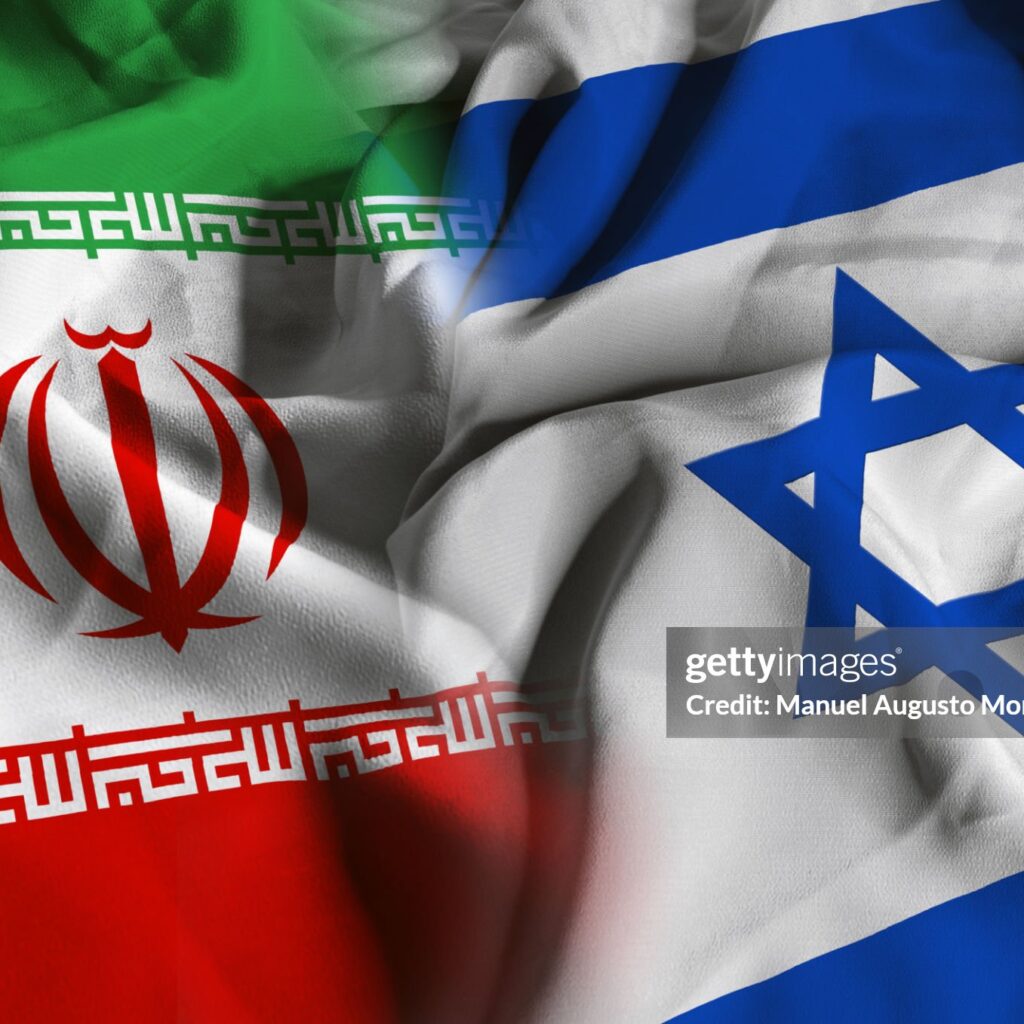
7.2 Iran–Israel Shadow Conflict
Though not in full direct war, tensions include:
- Proxy confrontations
- Maritime incidents
- Cyber operations
- Missile deterrence signaling
7.3 Red Sea and Yemen Dimension
Houthi attacks on shipping have:
- Disrupted global trade routes
- Increased insurance and freight costs
- Militarized the Red Sea corridor
8. Global Political Polarization
The conflict has produced one of the most polarized international responses in recent history.
Western Bloc
- Generally emphasizes Israel’s right to self-defense
- Increasing domestic criticism within Western societies
- Growing legal scrutiny in international courts
Global South
- Stronger support for Palestinian humanitarian claims
- Calls for ceasefire and accountability
- Increased diplomatic activism at the UN
International Legal Pressure
Major developments include:
- Growing genocide and war-crimes allegations
- International Court of Justice provisional measures
- Expanding human rights investigations
These legal processes may shape the post-war political landscape.
9. Economic and Developmental Consequences
9.1 Gaza’s Economic Devastation
The enclave’s economy is effectively collapsed:
- Massive infrastructure destruction
- Near-total unemployment conditions
- Dependency on humanitarian aid
- Long-term reconstruction costs expected in tens of billions
9.2 Regional Economic Effects
Broader Middle East impacts include:
- Shipping disruptions in the Red Sea
- Tourism declines in parts of the region
- Heightened defense spending
- Investor uncertainty
10. Future Scenarios (2026–2030 Outlook)
Based on current trajectories, analysts identify several possible pathways:
Scenario 1: Prolonged Low-Intensity Conflict (Most Likely)
- Periodic strikes continue
- Humanitarian crisis persists
- No comprehensive political settlement
Scenario 2: Regional Escalation (High Risk)
Triggers could include:
- Israel–Hezbollah full war
- Direct Iran–Israel confrontation
- Major maritime incident
Scenario 3: Negotiated Political Settlement (Least Likely Short-Term)
Would require:
- Sustained international pressure
- Security guarantees for Israel
- Political restructuring in Gaza
- Massive reconstruction funding
11. Conclusion
The Middle East war in 2025–2026 represents a defining geopolitical and humanitarian crisis of our time. Updated statistics reveal a conflict of extraordinary human cost: more than 75,000 deaths, widespread civilian harm, mass displacement, and a deepening malnutrition emergency affecting over 100,000 children.
Beyond the numbers lies a structural transformation of Gaza’s social fabric, with long-term implications for regional stability, international law, and global politics. The continued killing of journalists, the fragility of ceasefire efforts, and the persistence of famine risks all point toward a conflict that is far from resolution.
For policymakers, scholars, and humanitarian actors, the central challenge moving forward is not only ending active hostilities but also addressing the profound social, economic, and psychological damage already inflicted. Without a comprehensive political settlement and large-scale reconstruction effort, the Middle East risks entering a prolonged era of cyclical instability.