
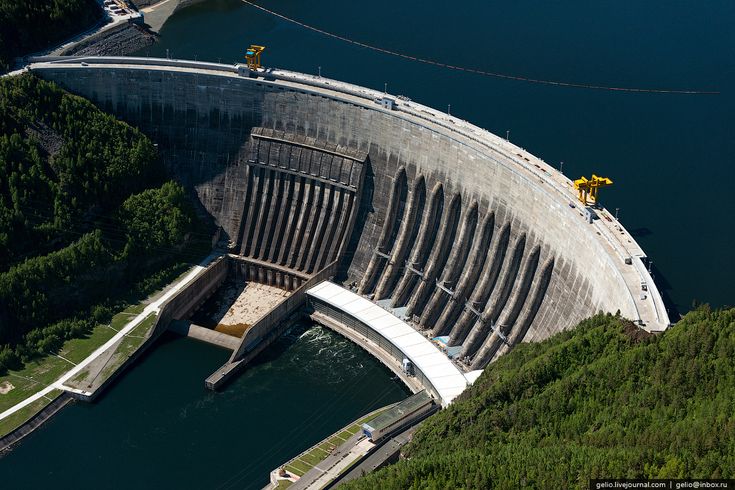

Water is no longer a neutral resource—it has become a strategic asset. Control over water sources now translates to diplomatic leverage, economic advantage, and military power.
A. Governments and Political Regimes
Autocratic regimes often weaponize water:
- Cutting supply to dissenting regions
- Controlling dams to assert dominance over neighboring countries
- Using water access as a bargaining chip in peace negotiations
For example, Turkey’s control of the Euphrates River gives it significant geopolitical leverage over Syria and Iraq.
B. Military-Industrial Complex
In conflict-prone regions, militaries benefit by:
- Securing riverbanks and dams
- Receiving increased defense budgets for “resource protection”
- Justifying occupation under the guise of protecting water supplies
Wherever water is scarce, militarization of natural resources tends to follow—and war economies benefit.
2. The Corporate Takeover: Water as Big Business
One of the most controversial aspects of modern water conflicts is corporate profit from privatized water systems.
A. Bottled Water Giants
Companies like Nestlé, Coca-Cola, and PepsiCo extract billions of gallons from freshwater sources—often in drought-hit regions—and sell it for a profit:
- Nestlé has faced backlash for pumping water in Michigan and California during droughts.
- These companies pay minimal fees for extraction but sell bottled water at up to 2000x the cost of municipal supply.
B. Water Privatization Firms
Multinational corporations have pushed for privatization in developing nations, promising efficiency but delivering:
- Higher costs for the poor
- Reduced access for marginalized communities
- Profits siphoned abroad
In Bolivia, protests against water privatization in Cochabamba led to the Water War of 2000, where people fought back against soaring costs imposed by a foreign firm.
3. Financial Markets and Speculators
In 2020, water futures began trading on Wall Street, turning a vital human need into a financial commodity. This allows:
- Investors to bet on water scarcity
- Hedge funds to profit from droughts and supply crises
- Price manipulation in vulnerable regions
Critics argue this commodification of water transforms suffering into speculation—letting the rich get richer while the poor pay the price.
4. Engineering and Infrastructure Companies
In water-stressed nations, governments and private players invest heavily in:
- Dams
- Desalination plants
- Pipelines and irrigation canals
Companies involved in such mega-projects—often international conglomerates—make billions of dollars:
- Chinese companies are building water infrastructure across Africa.
- Israeli firms export desalination technology and irrigation systems globally.
- Western engineering giants win contracts in post-conflict water reconstruction.
While these projects bring benefits, they also shift power to the few, especially when operated without accountability.
5. Political Elites and Crony Capitalists
In many developing countries, local elites benefit from water control:
- Diverting water from rural areas to cities or industries
- Gaining political favor by controlling irrigation and drinking water distribution
- Awarding water contracts to allies and relatives
In India, “water mafias” often control tanker deliveries in cities like Mumbai—operating with political protection and extracting enormous fees from slum-dwellers.
6. International Aid and NGOs: A Mixed Bag
While many NGOs provide crucial water aid, the aid industry also creates:
- Dependency loops in developing nations
- Bureaucratic barriers that exclude local communities
- A system where donor countries dictate water policy
Some large organizations benefit from perpetuating the crisis, securing long-term funding and influence.
7. Who Loses: The True Cost of Water Wars
While a small group profits, the vast majority suffers:
- Rural farmers lose irrigation and livelihoods
- Women and children walk miles for clean water
- Marginalized groups are priced out of their own natural resources
The privatization and politicization of water deepen existing inequalities—turning a basic right into a battlefield of profit.
8. Solutions and Alternatives: Reclaiming Water for the People
If water is life, then its control must be democratic, equitable, and sustainable. Some paths forward:
- Public ownership and management of water systems
- Strengthening water rights in international law
- Rainwater harvesting and community-led conservation
- Banning or regulating water speculation on financial markets
- Transparent governance of irrigation and dams
Grassroots movements like “Right to Water” in South Africa or “Blue Communities” in Canada show that communities can resist exploitation.
Conclusion: A Liquid Gold Rush With Human Consequences
In today’s world, water is power—and power attracts profiteers. From corporations bottling springs to politicians weaponizing rivers, a handful of actors benefit immensely from global water scarcity. But their profits come at the cost of public suffering, displaced communities, and ecological collapse.
We must ask hard questions: Should water be bought and sold? Who gets to decide who drinks and who thirsts?
The answers will define the future of human rights, global peace, and environmental survival.
Call to Action
- Advocate for water as a public human right in your country.
- Support organizations fighting against water privatization.
- Educate yourself and others on how your consumption affects global water systems.
- Pressure governments and international bodies to regulate water profiteering.
In the end, the fight over water is not just about access—it’s about justice.